
The Benefits
What a consistent practice gives back.
Pilates doesn't just change how you look — it changes how you move, how you feel, and how you carry yourself through every part of your day.
The Benefits
Pilates doesn't just change how you look — it changes how you move, how you feel, and how you carry yourself through every part of your day.
Why Pilates
Most fitness is built around output — how much, how fast, how many. Pilates is built around input. How you move, how you breathe, how you hold yourself when the effort is over.
That difference compounds. A single session can leave you standing taller. A few weeks of practice can quiet old aches. A year in, and the way you sit at your desk, carry groceries, or run for a train has quietly changed. Not because you forced it, but because your body learned a better way.
Below are the benefits our clients most often notice — and the ones our coaches hear about most.
Six Core Benefits

The deepest layers of your abdominals, back, and pelvic floor learn to work together — giving you stability that carries into every other movement you make.

Pilates retrains the muscles that hold you up. Over time, standing tall stops being an effort and starts being your default.
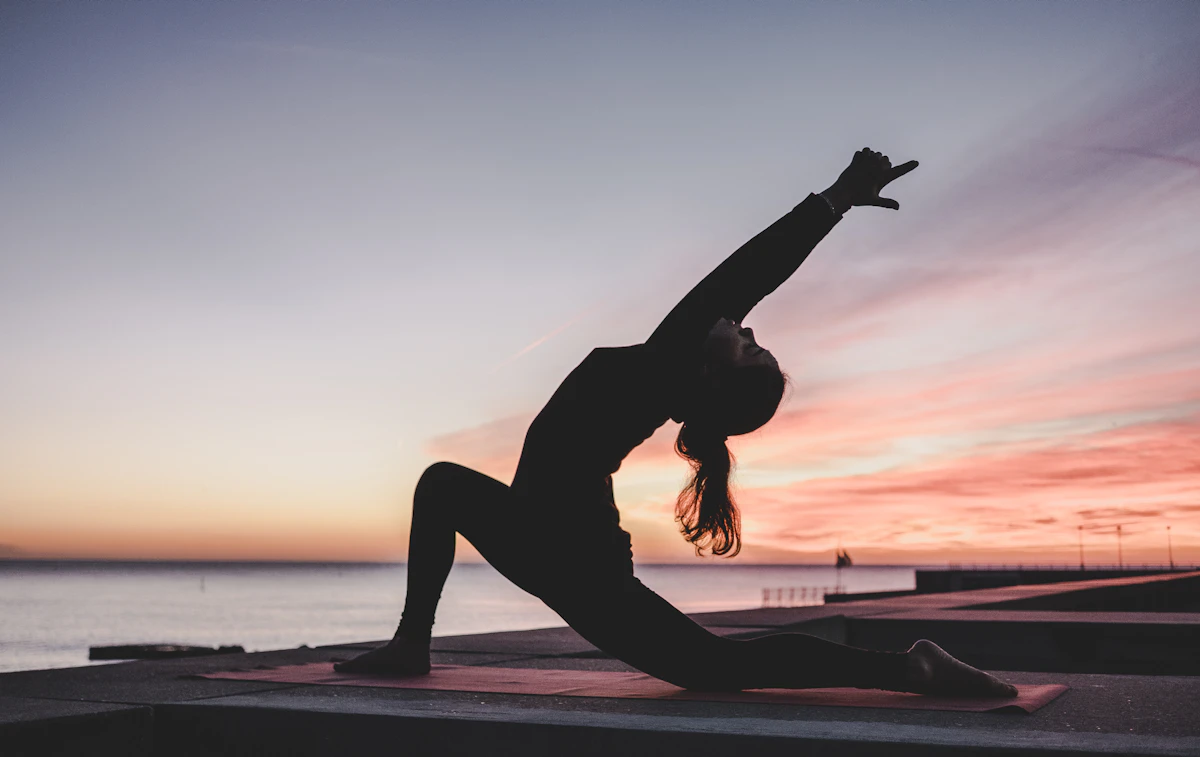
Controlled ranges of motion unlock joints that have grown stiff. You move more freely — in the studio, at home, and in everything between.

By strengthening the muscles that support the spine and releasing the ones that overwork, many clients find long-standing discomfort begins to fade.

Flexibility in Pilates is a byproduct of control — not force. Muscles lengthen because they're finally allowed to relax and work at their full range.

Pilates demands attention. That focus pulls you out of the noise of the day and into your body — and most people leave the studio calmer than they arrived.
By The Numbers
Based on internal surveys of our members after 3, 6, and 12 months of consistent practice.
87%
Improved Posture
92%
Stronger Core
89%
Greater Flexibility
96%
Member Satisfaction
In Depth
Most of us spend hours a day in positions our bodies weren't designed to hold — hunched over laptops, phones, steering wheels. Pilates counteracts that by strengthening the postural muscles of the back, shoulders, and neck while releasing the ones that have been overworking. Over weeks, the changes show up in how you sit, stand, and carry yourself without thinking about it.
Pilates targets the deepest abdominal and back muscles — the transverse abdominis, multifidus, and pelvic floor — rather than just the surface "six-pack." This gives you genuine stability: the kind that protects your spine during lifting, running, or simply bending down to tie a shoe.
Traditional stretching pulls a muscle to its end range. Pilates lengthens muscles through controlled movement, which means flexibility improves gradually and safely — and sticks. Clients often notice it first in their hamstrings, hips, and shoulders.
A large share of chronic back pain comes from muscular imbalance — some muscles doing too much, others doing too little. Pilates rebalances that. We work closely with local physiotherapists to ensure our programming supports recovery, not aggravates it. Many clients arrive after injury and stay long after recovery.
Pilates is as much a practice of attention as of movement. Learning to feel where your body is in space — and how to shift that subtly — improves balance, reduces the risk of falls, and makes you a more efficient mover in everyday life.
Runners, cyclists, dancers, and racket-sport players use Pilates to build the stability and mobility their sport demands but doesn't develop. The result: fewer niggles, more power, and better movement economy.
Pilates is one of the most recommended forms of movement during and after pregnancy — when programmed by an experienced instructor. We support pelvic floor health, posture changes, and the slow, safe return to strength in the months after birth.
Breath is the foundation of every Pilates exercise. Learning to breathe fully and with control activates the parasympathetic nervous system, lowers stress, and improves focus — changes that carry far beyond the studio doors.

Member Story
"I came in for back pain and stayed for everything else. Two years on, I stand taller, move more freely, and honestly feel more like myself than I have in a decade."
Priya N.
Member since 2023
Who It's For
If you have a body, Pilates has something to offer. Below are the profiles we see most often — but no two journeys look the same.
If you spend your day at a screen, Pilates counters the posture that hours of sitting creates — and eases the tension that builds in the neck, shoulders, and lower back.
Pilates meets you where you are. No prior experience, no need to "get fit first." The whole point is that you start somewhere and progress from there.
Our instructors work alongside physiotherapists to rebuild strength safely — at a pace that respects where your body is right now.
Runners, cyclists, dancers, climbers — all use Pilates to build the stability and range that their sport doesn't develop on its own.
Specialist programming for every trimester and the slow, considered return to strength in the months after birth.
Pilates is one of the most age-friendly forms of movement there is. It builds the strength, balance, and mobility that keep you independent for decades.
How Often
1 – 4 Weeks
The first few weeks are about learning the language of Pilates — breath, alignment, control. Most clients notice small changes: standing taller, sleeping better, less tension in the shoulders.
2 – 3 Months
Posture shifts. The core feels engaged by default. Old aches that have lingered for years begin to quiet. This is where most clients realize they're no longer just "trying Pilates" — they're practicing it.
6 – 12 Months
Movement patterns are re-written. Strength becomes functional. You carry yourself differently, move differently, and feel differently — and it stops being something you think about.
Experience It
Book your first session and start building the strength, posture, and mobility that will serve you for decades.